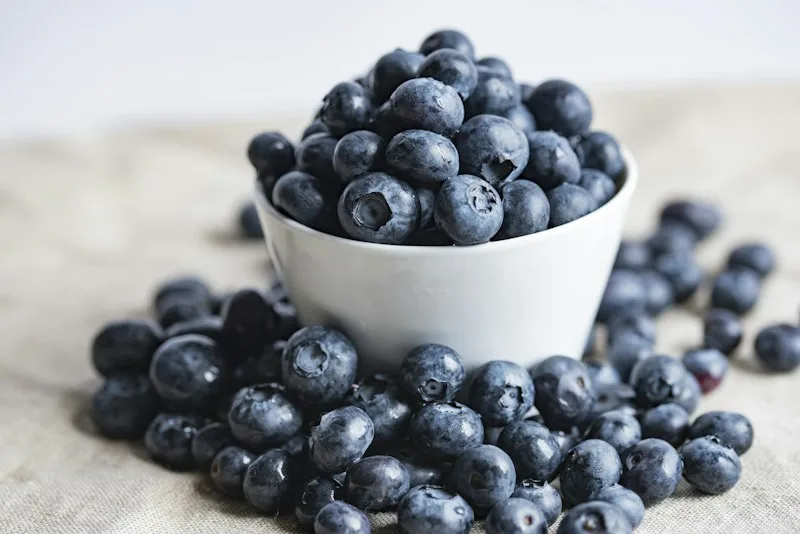
 Anthocyanins
Blueberries & Dark Berries
Packed with anthocyanin flavonoids and polyphenolic antioxidants that help combat oxidative stress in ocular microvasculature. Enjoy fresh or frozen with morning oats or snacks.

Discover practical ways to incorporate fresh blueberries, crunchy carrots, vibrant leafy greens, and affordable market staples into your family's daily meals across the Philippines.
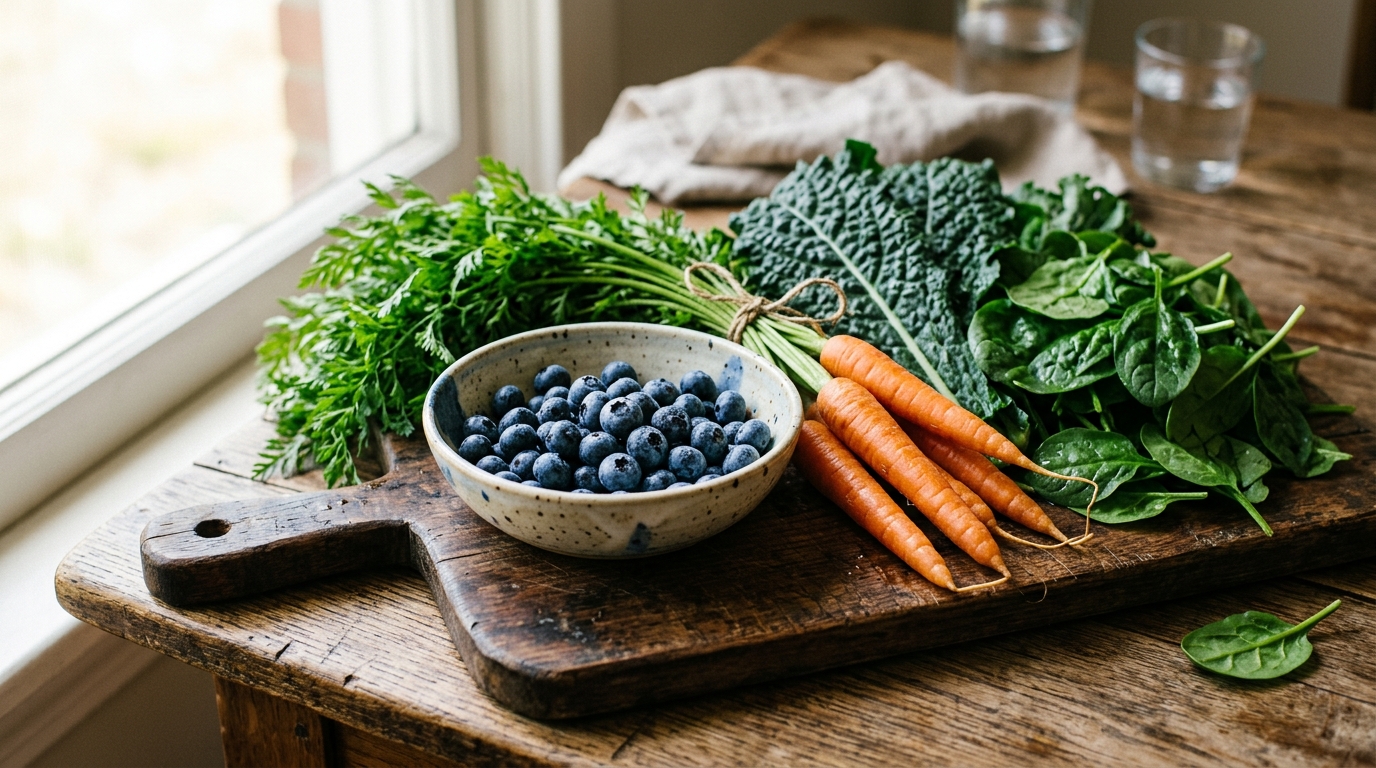
Eye structures rely on a steady supply of micronutrients, antioxidants, and essential fatty acids. Here are the core whole-food categories that support normal visual comfort.
Anthocyanins
Packed with anthocyanin flavonoids and polyphenolic antioxidants that help combat oxidative stress in ocular microvasculature. Enjoy fresh or frozen with morning oats or snacks.
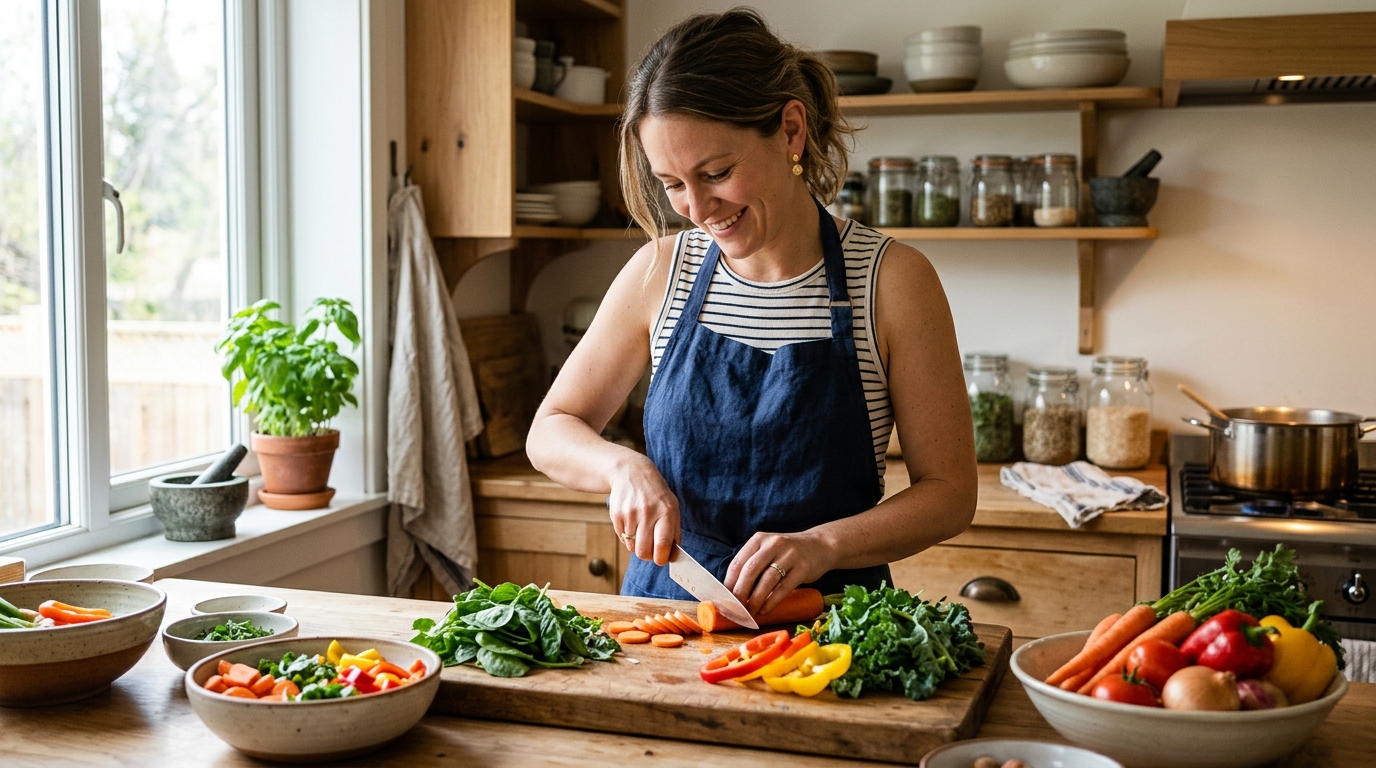 Beta-Carotene
Beta-carotene is converted into rhodopsin, the retinal photopigment essential for low-light vision and surface tear film maintenance. Pair with healthy oils for optimal uptake.
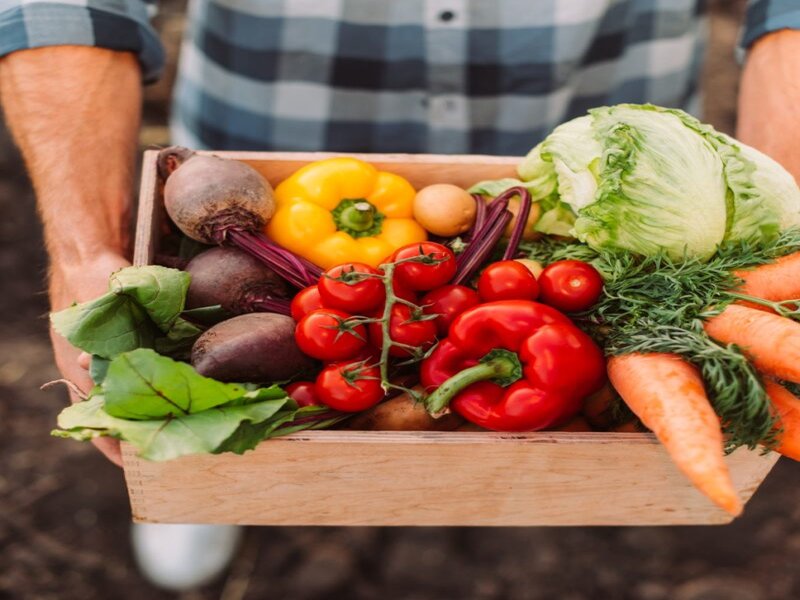 Lutein & Zeaxanthin
Kangkong, malunggay, spinach, and pechay are dense in lutein and zeaxanthin, carotenoids that accumulate in the macula to filter high-energy blue wavelengths.
No single food acts as a magic shield for your eyes. Nutritional science emphasizes that carotenoids (like beta-carotene and lutein) work in harmony with vitamin C, vitamin E, zinc, and dietary lipids.
For instance, fat-soluble carotenoids from carrots or kangkong require dietary fats (such as eggs, fish, or vegetable oils) to be effectively absorbed through the digestive tract and delivered to ocular tissues.

From tropical daylight glare in Metro Manila to air-conditioned office dry eyes and late-night student study sessions in Cebu and Davao, nutrition pairs with practical daily habits.
Philippine tropical sunlight delivers high UV and bright glare. Combining antioxidant-dense foods (berries, carrots, greens) with UV-protective eyewear supports ocular surface longevity.
BPO employees and remote workers in air-conditioned spaces blink less frequently while viewing monitors. Omega-3 rich fish, eggs, and regular hydration help support tear film moisture.
Students studying in shared bedrooms or dorms benefit from consistent meal routines, balanced lighting, the 20-20-20 visual rest rule, and nutritious snacks like crunchy carrot sticks and fruit.
Take our interactive 9-point checklist to see how well your everyday meals incorporate berries, carrots, leafy greens, and balanced food groups.
Launch Daily Checklist →