
Foods Containing Lutein and Zeaxanthin
Discover the dietary pigments that form the eye's macular optical filter, how they protect against high-energy visible light, and top everyday food sources.
Among the hundreds of carotenoids found in nature and the approximately 50 present in the human diet, only two are selectively transported across the blood-retinal barrier to accumulate in high concentrations in the retina: lutein and zeaxanthin (along with its retinal metabolite, meso-zeaxanthin).
The Macular Pigment: Internal Optical Filter
In the central retina, known as the macula, these xanthophyll pigments form the macular pigment. The concentration of lutein and zeaxanthin in the human fovea is higher than anywhere else in the human body.
They serve two vital biological purposes:
- Short-Wavelength Light Absorption: High-energy visible (HEV) blue light has wavelengths between 400 and 450 nm, capable of inducing photochemical damage. Lutein and zeaxanthin absorb these wavelengths before they reach photoreceptors, functioning essentially as natural internal yellow optical filters.
- Antioxidant Quenching: They deactivate singlet oxygen molecules and lipid peroxides produced during continuous light exposure in an oxygen-rich retinal environment.
Top Dietary Sources of Lutein & Zeaxanthin
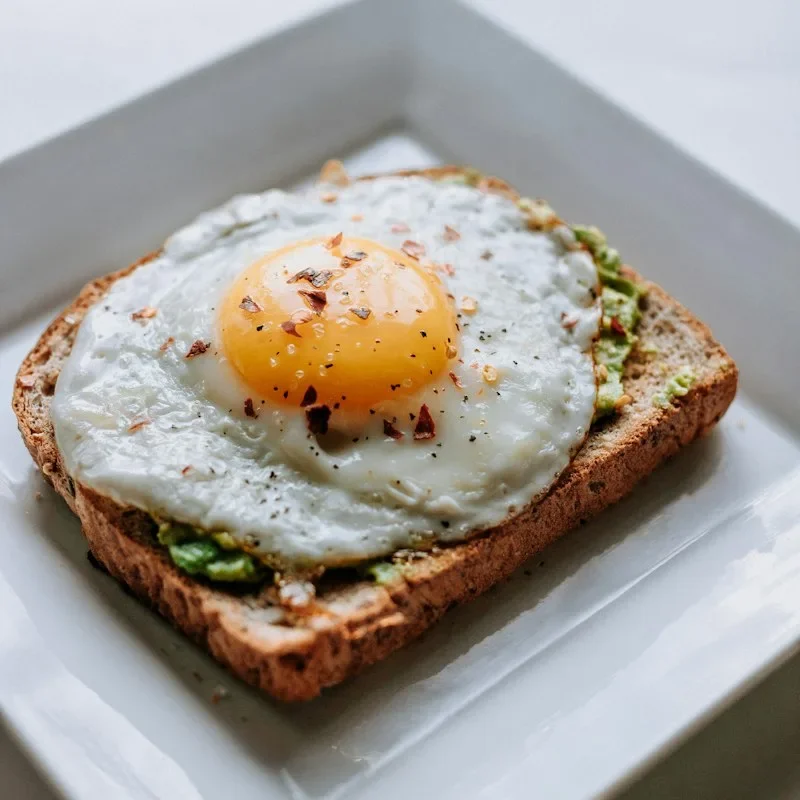
1. Whole Egg Yolks (The Bioavailability Champion)
While leafy greens contain higher absolute amounts of lutein per 100 grams, egg yolks provide lutein and zeaxanthin dispersed in a lipid matrix (lecithin and fatty acids). Clinical studies demonstrate that the human body absorbs lutein from whole egg yolks up to three times more efficiently than from unseasoned raw vegetables.
2. Kangkong, Malunggay, & Spinach
Dark green vegetables are the undisputed volume leaders. A single cup of cooked kangkong or malunggay provides substantial daily carotenoids. Lightly sautéing in cooking oil or simmering in soup breaks down plant cell walls, freeing the pigments for digestive absorption.
3. Yellow Sweet Corn (Mais)
Unlike greens (which are primarily lutein-dominant), yellow sweet corn is particularly rich in zeaxanthin, the specific isomer concentrated in the exact center of the fovea.
4. Orange Bell Peppers & Kalabasa
Supplying complementary carotenoids with natural crispness and sweetness in everyday stir-fries and stews.
Consuming lutein-rich foods supports macular optical density and visual contrast sensitivity over time. However, it does not replace the need for corrective glasses, contact lenses, or annual comprehensive eye examinations. It also cannot reverse established cataracts or retinal detachment.