
Colorful Fruits and Vegetables
Different plant pigments represent distinct families of protective phytochemicals. Learn how a multi-colored plate supports overall ocular and cellular wellness.
In nutritional biochemistry, natural food colors are more than mere aesthetic appeal. The pigments that give fruits and vegetables their vivid red, yellow, orange, green, and deep purple shades are active phytochemicals—carotenoids, flavonoids, anthocyanins, and chlorophylls. Because each pigment family neutralizes specific types of oxidative stress, eating across the color spectrum provides broad, synergistic protection.
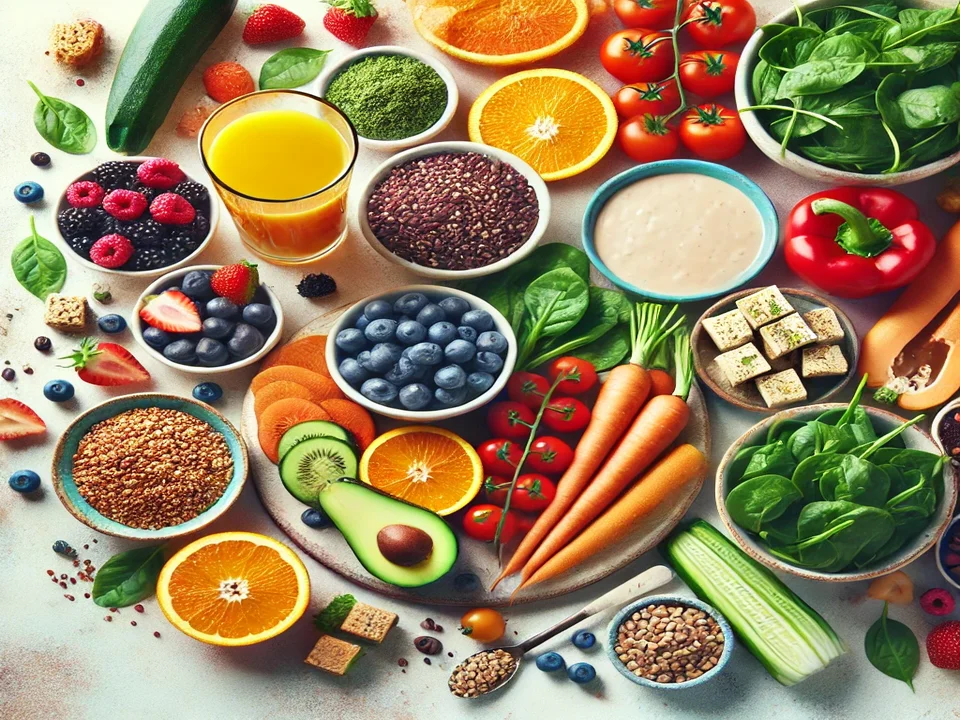
The Nutritional Palette for Eye Care
1. Deep Red & Pink: Lycopene & Capsanthin
Food Sources: Ripe tomatoes, red bell peppers, watermelon, and pink guava.
Physiological Support: Lycopene is a potent acyclic carotenoid that protects vascular endothelium. In tomatoes, gentle simmering with a little oil significantly enhances lycopene bioavailability. Red bell peppers also supply high amounts of vitamin C.
2. Bright Yellow & Orange: Cryptoxanthin & Vitamin C
Food Sources: Ripe papaya, Philippine mangoes, dalanghita, yellow squash, and corn.
Physiological Support: Beta-cryptoxanthin is another provitamin A carotenoid that aids in epithelial surface health. Ripe papaya and mango provide sweet, accessible snacks rich in vitamins A and C.
3. Vibrant Green: Chlorophyll & Lutein
Food Sources: Broccoli, pechay, string beans (sitaw), ampalaya (bitter melon), and cucumber.
Physiological Support: Beyond lutein, green vegetables supply dietary folate and potassium, which assist in normal cardiovascular and ocular pressure regulation.
4. Blue & Purple: Anthocyanins & Resveratrol
Food Sources: Blueberries, purple eggplants (talong), red onions, and purple sweet potato (ube).
Physiological Support: Flavonoid polyphenols strengthen capillary integrity and help reduce oxidative wear from extended digital screen exposure.
You don't need exotic ingredients to eat well. A practical goal for Philippine households is ensuring your main meals contain at least three distinct natural produce colors. For example: lunch with ginisang kalabasa (yellow/orange), kangkong (dark green), and sliced fresh tomatoes (red) covers major protective pigment groups in one meal.
Overcoming Common Nutrition Oversimplifications
Marketing often singles out one "miracle fruit" as the answer to vision problems. However, clinical studies consistently indicate that isolated high-dose supplements do not replicate the multifaceted benefits of eating whole, diverse produce. Dietary fiber, trace minerals, and hundreds of minor phytonutrients in real food work synergistically to maintain normal ocular physiology.