
Budget-Friendly Nutritious Choices
Nutrient density does not require high-end imported produce. How to maximize your grocery budget using local Philippine wet-market staples and smart cooking methods.
A frequent hurdle for families and individuals seeking to improve their diet is the misconception that "healthy eating" requires expensive specialty imports like fresh blueberries, chia seeds, and organic kale. In reality, traditional Philippine markets (palengke) and neighborhood talipapa are packed with nutrient-dense foods that offer equal or superior eye-supportive nutrients at a fraction of the cost.
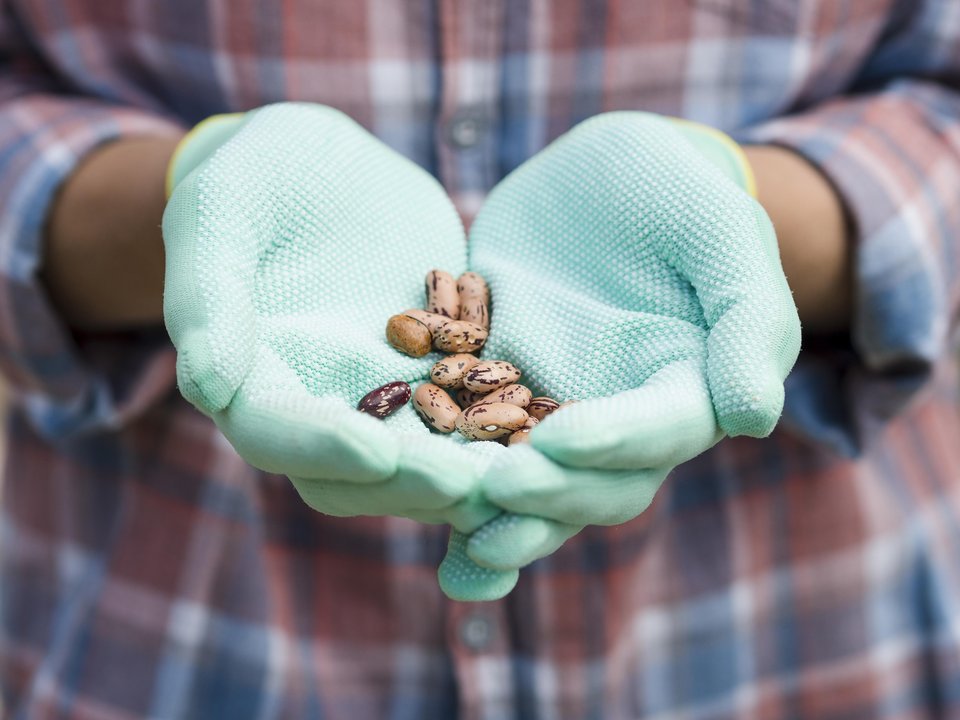
High-Value Philippine Market Produce
1. Kalabasa (Kabocha Squash) — Under ₱50 per kilo
Kalabasa is one of the most cost-effective sources of beta-carotene in the country. A single slice provides days of provitamin A. It stores at room temperature for weeks uncut and adds rich texture to ginisang munggo, pinakbet, or chicken tinola.
2. Kangkong & Malunggay — ₱15 to ₱30 per bundle
A single bundle of fresh kangkong or malunggay provides substantial lutein, zeaxanthin, vitamin C, and iron. Malunggay is often free for those with backyard trees or costs around ₱15 in local markets. Adding leaves to everyday broth takes seconds and enhances the nutrient profile of any family soup.
3. Fresh Eggs — ₱7 to ₱10 per piece
Eggs provide complete protein, choline, zinc, and bioavailable lutein and zeaxanthin in the yolk. Boiling, poaching, or scrambling an egg into a vegetable dish turns a simple side into a balanced meal.
4. Balatong / Munggo (Mung Beans) — ₱30 to ₱45 per pack
Dried mung beans have a shelf life of months. When cooked into the traditional Filipino Friday dish ginisang munggo with tinapa flakes, tomatoes, and malunggay or ampalaya leaves, it forms a high-protein, antioxidant-dense meal for an entire family under ₱150 total.
5. Local Calamansi — ₱20 to ₱30 for 1/4 kilo
Rather than purchasing pricey citrus imports, calamansi provides fresh, unpasteurized ascorbic acid (vitamin C). Squeeze over fish and greens right before eating to boost plant iron absorption and support ocular capillary health.
- Shop Early: Early morning visits to the palengke yield the freshest leafy greens before tropical heat causes wilting and vitamin C degradation.
- Embrace Frozen Produce: For items not grown locally (like blueberries), buy 500g frozen bags from supermarkets. They store for months and cost significantly less than perishable fresh clamshells.
- Store Vegetables Properly: Wrap greens in paper towels inside breathable bags in the refrigerator vegetable crisper to prevent moisture build-up and decay.